Educational Resources
Short and practical guides for property owners. No unnecessary fluff – only what you really need to know to keep trees healthy and your surroundings safe.
When to Prune Trees (General Overview)
- Deciduous ornamental trees: late winter to early spring (after severe frost, before bud break). Avoid periods of heavy sap flow (e.g. birch, maple) – late summer is usually safer.
- Fruit trees – apples, pears: winter pruning (January–March) plus summer thinning pruning (July–August).
- Stone fruit – plum, cherry, sour cherry: preferably after harvest (summer) to reduce disease risk.
- Conifers: shaping and removal of dry or broken branches only. Deep cutbacks are not recommended – and especially not cutting the tree down to half or one-third of its height. Such intervention not only damages the tree’s appearance but in most cases leads to gradual decline.
- Hedges and shrubs: throughout the growing season (spring–summer). After August 15, prune carefully so new growth has time to harden before frost.
“Always adjust pruning timing to local weather conditions. Don’t prune during frost or extreme heat. Sharp tools and clean cuts are half the success.”
Safety Checklist Before Any Tree Work
- Check for power lines, fences, roofs, windows, parked cars, and potential fall zones.
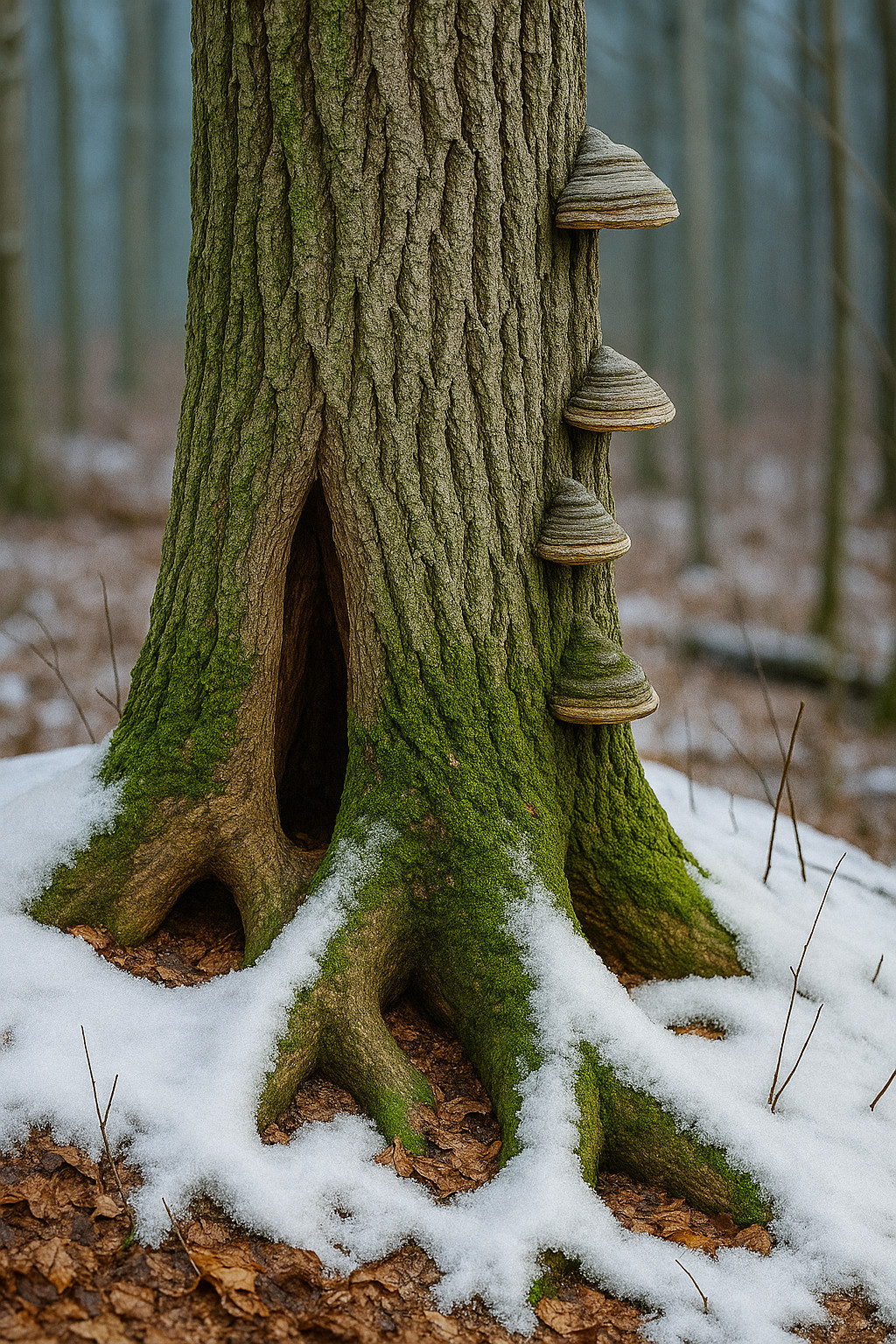
- Assess lean and structural defects (cavities, cracks, fungal growth near the base of the trunk).
- Secure the work zone (warn neighbors, keep children and pets away).
- When working at height, use certified climbing equipment and a helmet with hearing and eye protection.
- Unsure? Call a professional arborist – a consultation costs less than property damage.
How to Photograph a Tree for a Quick Quote
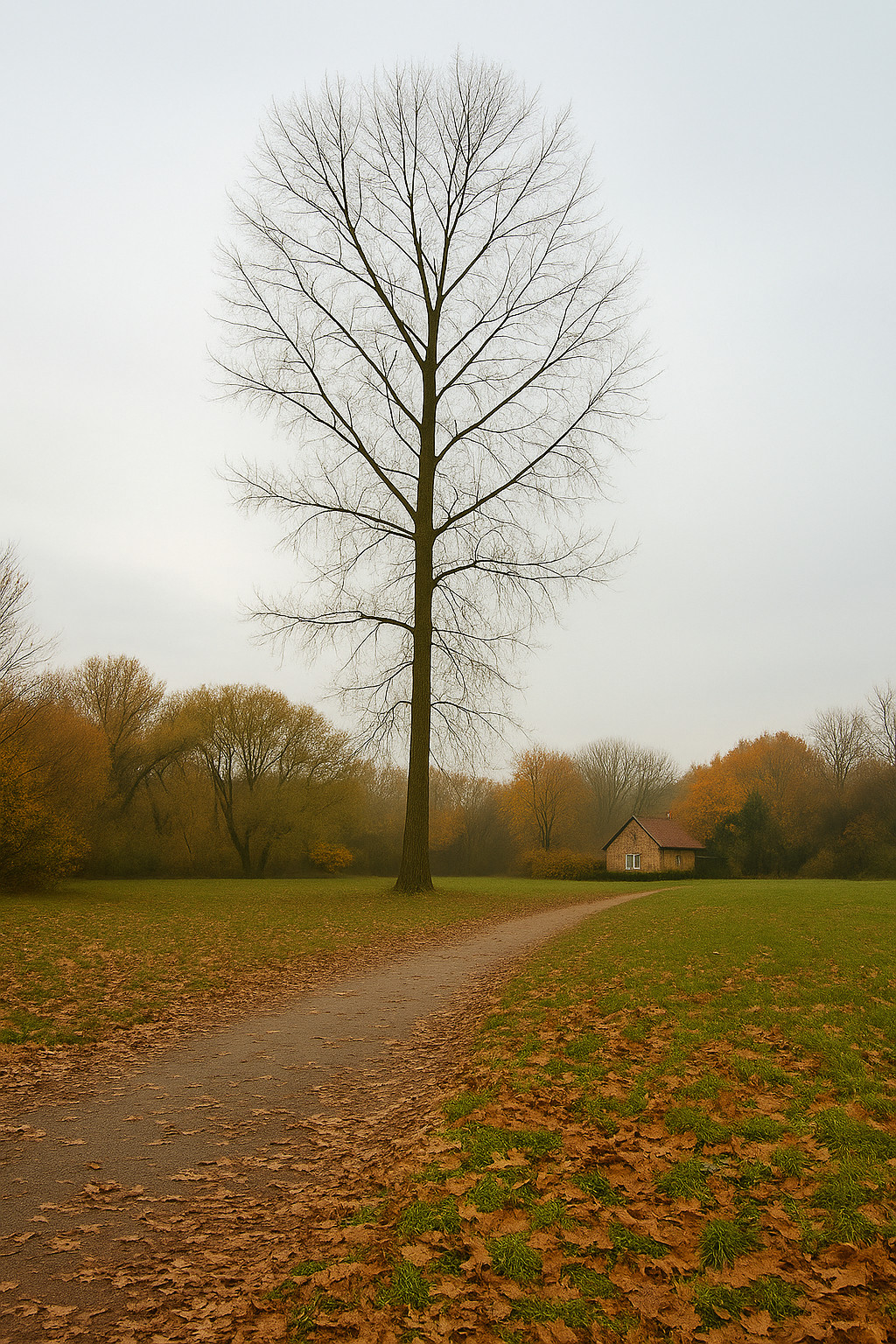
- The entire tree from a distance (vertical photo so the height and surroundings are visible).
- A close-up of the base of the trunk and surrounding soil (trunk diameter, possible fungi or cavities).
- The crown viewed from below (gaps, dead branches, cracks).
- Risk areas – roof, fence, utility lines (so the distance and clearance are visible).
- Add the address/town and a short description of access (vehicle access, gate width, slope, etc.).
Watering After Planting (Months 1–24)
These values are approximate for typical well-draining soil. Increase watering during heatwaves and reduce it during rainy periods – always check soil moisture at a depth of about 4–6 inches (10–15 cm).
| Period | Small Tree (up to 10 L container) | Medium Tree (20–40 L container) |
|---|---|---|
| Months 1–3 | 10–15 L, 2–3 times per week | 20–30 L, 2–3 times per week |
| Months 4–12 | 10–15 L, 1–2 times per week | 20–30 L, 1–2 times per week |
| Months 13–24 | Deep watering during dry periods | Deep watering during dry periods |
Tip: Mulch (2–3 inches / 5–7 cm) helps retain moisture and suppress weeds. Do not place mulch directly against the trunk – leave a 2–4 inch (5–10 cm) gap.
Mini Overview of Suitable Garden Trees
| Species | Best Use | Notes |
|---|---|---|
| Field Maple (Acer campestre) | Smaller streets, residential gardens | Tolerates pruning and drought, compact growth. |
| Rowan / Mountain Ash (Sorbus aucuparia) | Front yards and decorative gardens | Berries support birdlife, requires good sunlight. |
| Small-leaved Lime (Tilia cordata) | Larger spaces | Allow sufficient room for crown and root development. |
| Silver Birch (Betula pendula) | Cooler or slightly moist locations | Sensitive to prolonged heat and drought, shallow roots. |
| Apple / Plum (Fruit Trees) | Productive home gardens | Require regular pruning and full sunlight. |
FAQ – Často kladené otázky
- Musím mať povolenie na rez stromu?
- Ak robíš bežný zdravotný alebo tvarovací rez na svojom pozemku, povolenie zvyčajne nepotrebuješ. Pri výrube si však vždy over miestne predpisy. Ak strom predstavuje okamžité ohrozenie, môžeš zasiahnuť ihneď – odporúčam urobiť si fotodokumentáciu stavu.
- Koľko môžem zrezať z koruny naraz?
- Bezpečné je zhruba do 20 % objemu koruny. Hlbšie spätné rezy môžu strom vážne oslabiť alebo ho úplne zahubiť – preto ti odporúčam poradiť sa so mnou ako s arboristom skôr, než začneš rezať.
- Strom má zdravé listy, ale pri päte rastú huby. Je to problém?
- Áno, môže to znamenať rozklad dreva pri báze alebo poškodenie koreňového systému. Najlepšie je, ak ma zavoláš na obhliadku, aby som zistil rozsah problému a navrhol riešenie.
- Po výsadbe mi žltne listie. Zalievam veľa alebo málo?
- Skontroluj pôdu v hĺbke 10–15 cm. Ak je suchá, pridaj zálievku. Ak je premočená, uber a zlepši drenáž, aby sa korene neudusili a nezačali hniť.
Potrebuješ poradiť s konkrétnym stromom? Pošli mi fotky podľa návodu vyššie na stránke Kontakt. Odošlem ti odporúčanie alebo pripravím ponuku na zásah.