Media Myths
There are many half-truths and myths circulating about tree removal. Here are the most common ones—and how it really works in practice.
🛑 Myth #1: Trees cannot be removed during the growing season
✅ Fact: If a tree poses a risk to people’s health or safety or to property, it can be removed at any time of the year—including during the growing season. In such cases, it is usually sufficient to notify the relevant authority (the municipality or district office) and include photos and a brief explanation of why the intervention is necessary.
🛑 Myth #2: A tree has to be dead to be dangerous
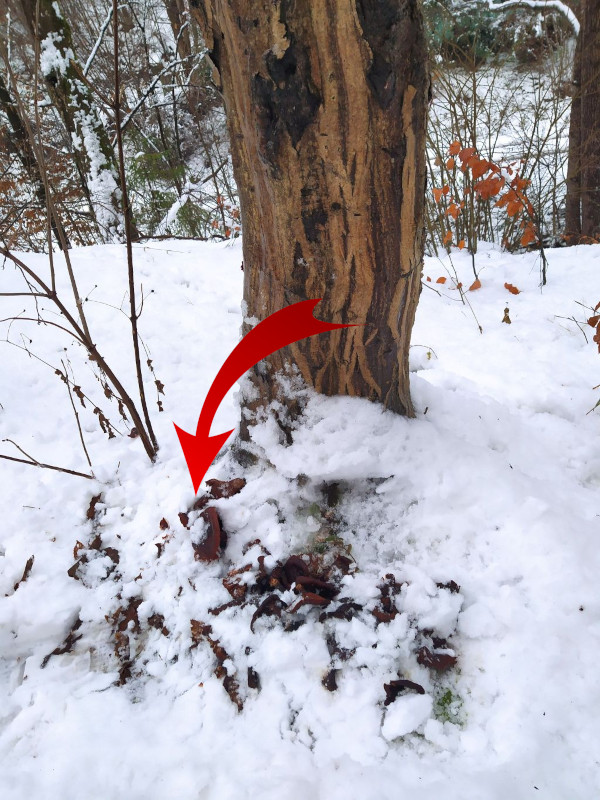
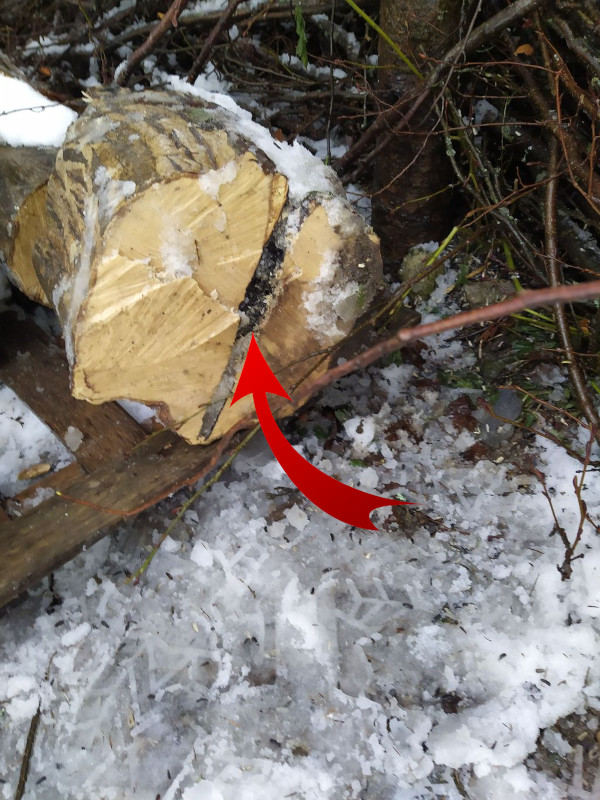
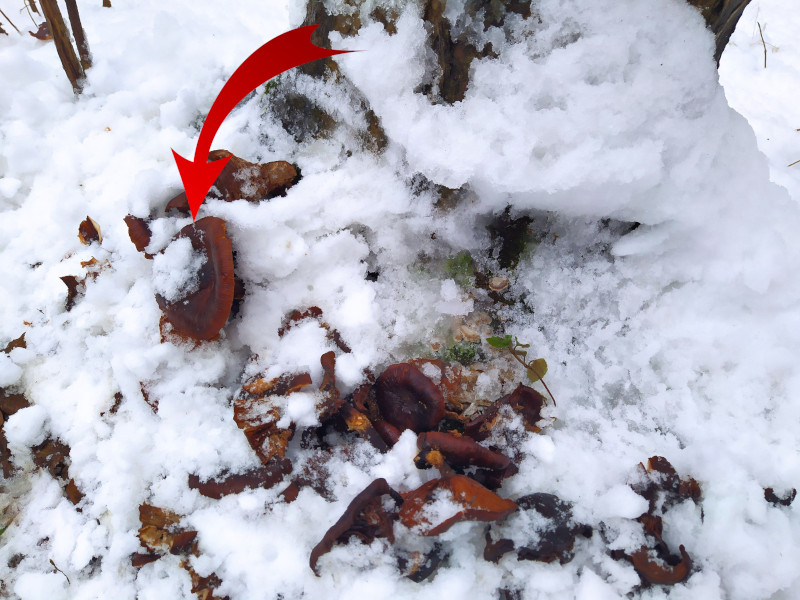
✅ Fact: Many tree diseases, such as wood-decay fungi (Armillaria, Ganoderma, Phellinus), attack the tree from the inside—often without visible damage to the crown. A tree may look perfectly healthy, while the roots or the lower trunk are already seriously weakened.
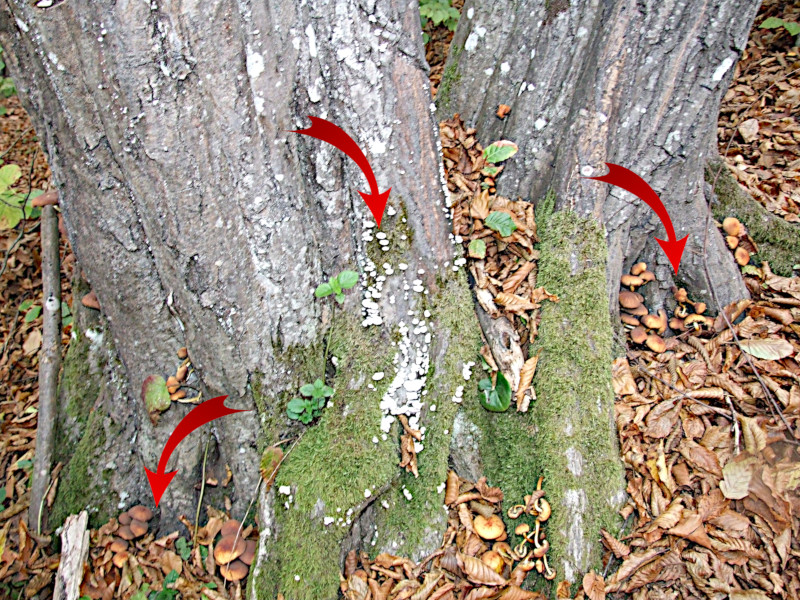
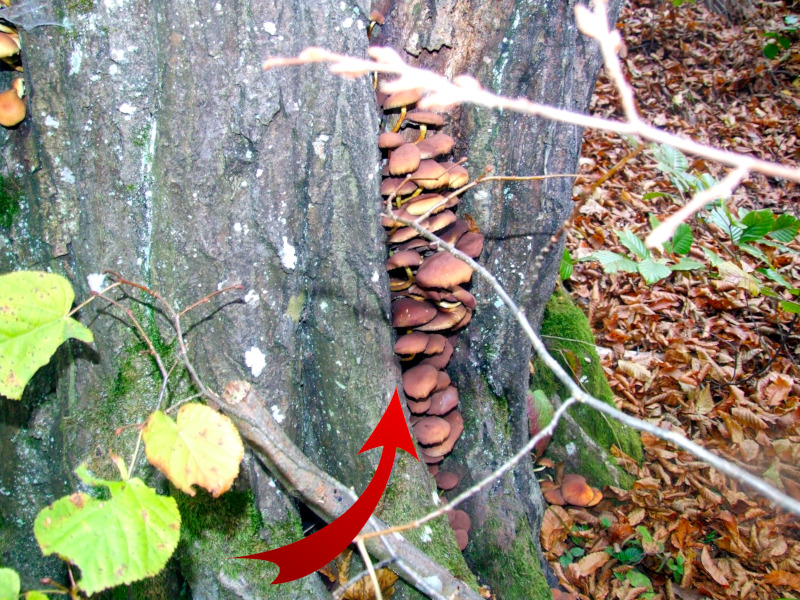
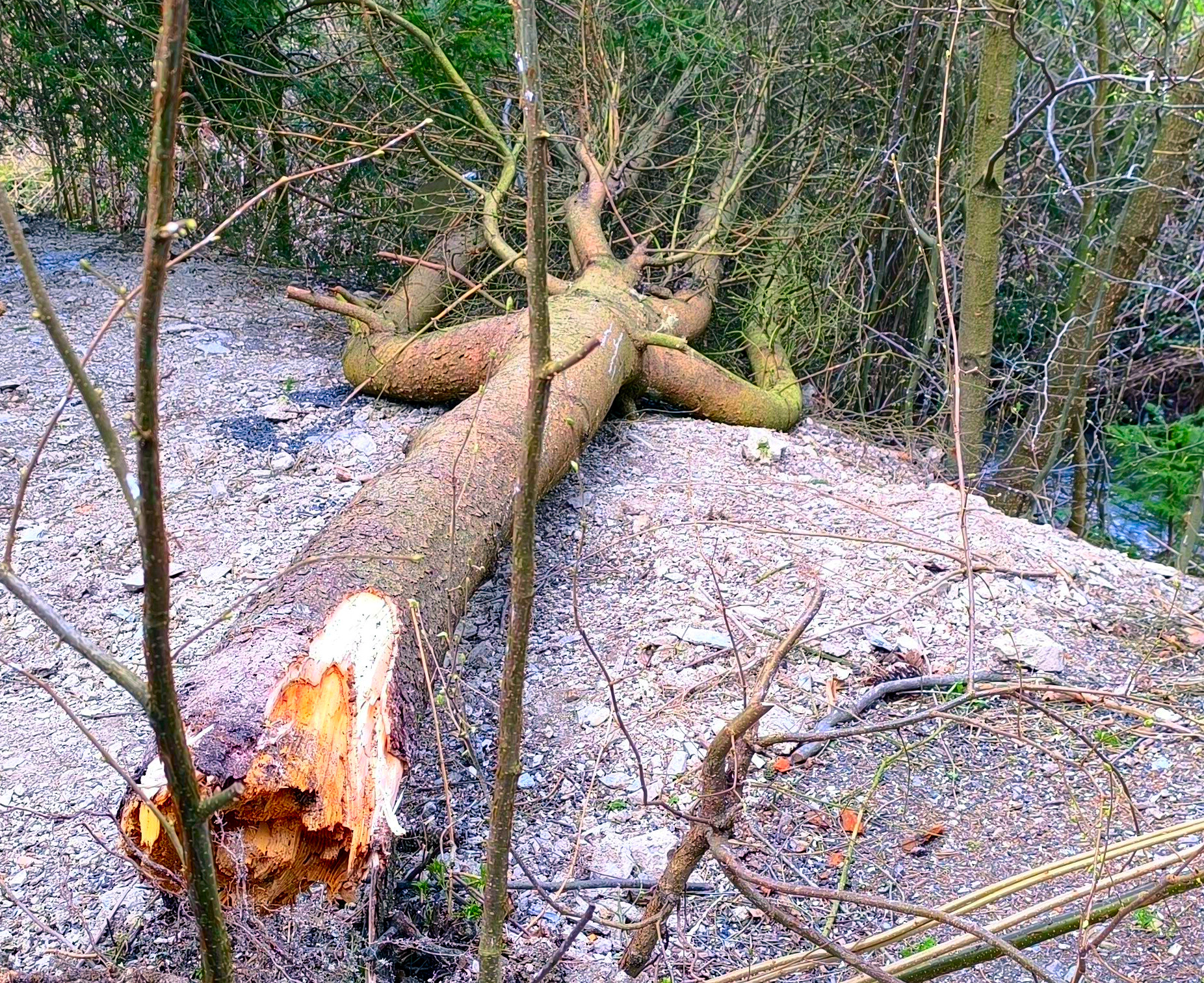
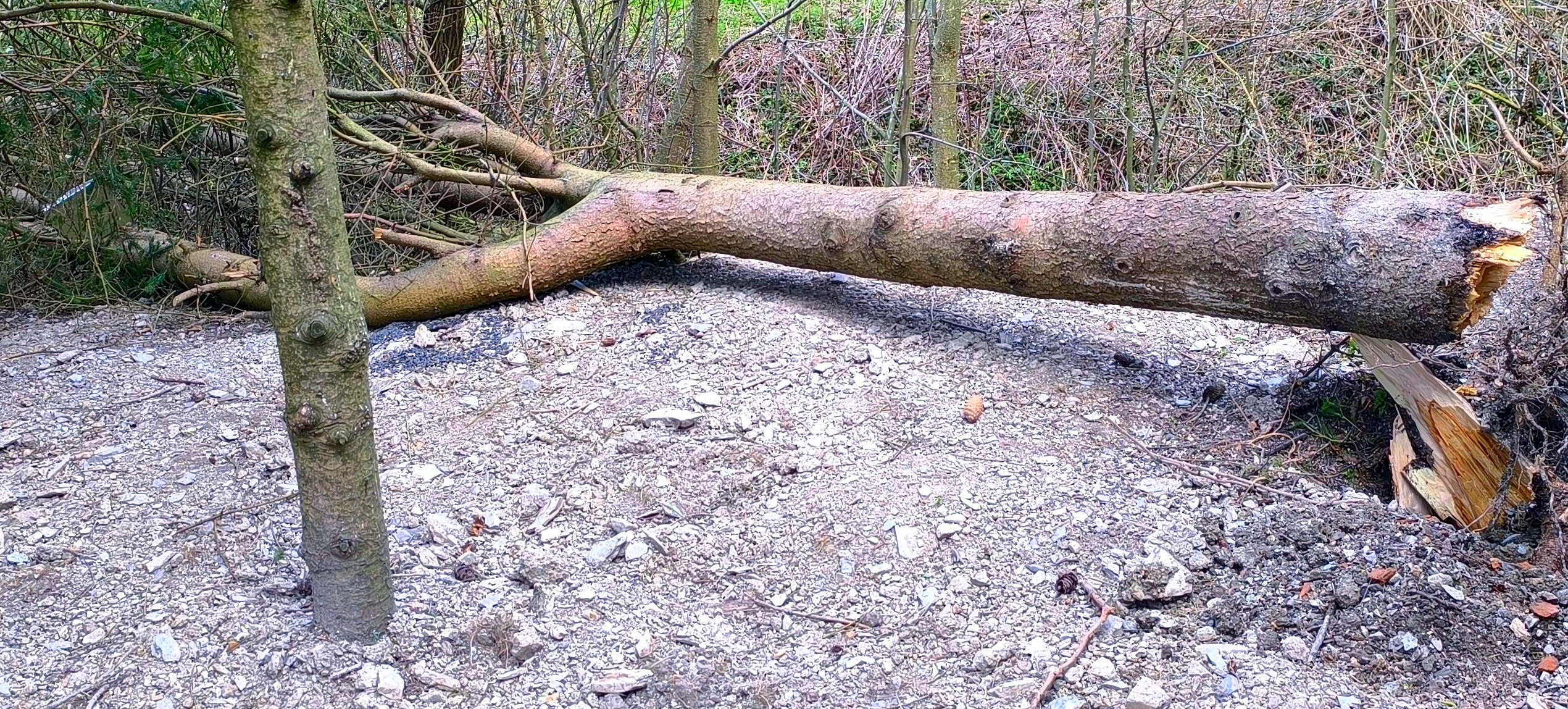
Example from the field: A spruce with green needles snapped at the base during a strong gust of wind. The lower section (below ground level) contained hidden decay—dark patches and yellowish, crumbly wood. The trunk above the break was sound, so from the outside the tree appeared safe.
🛑 Myth #3: If a tree has green leaves, it must be healthy
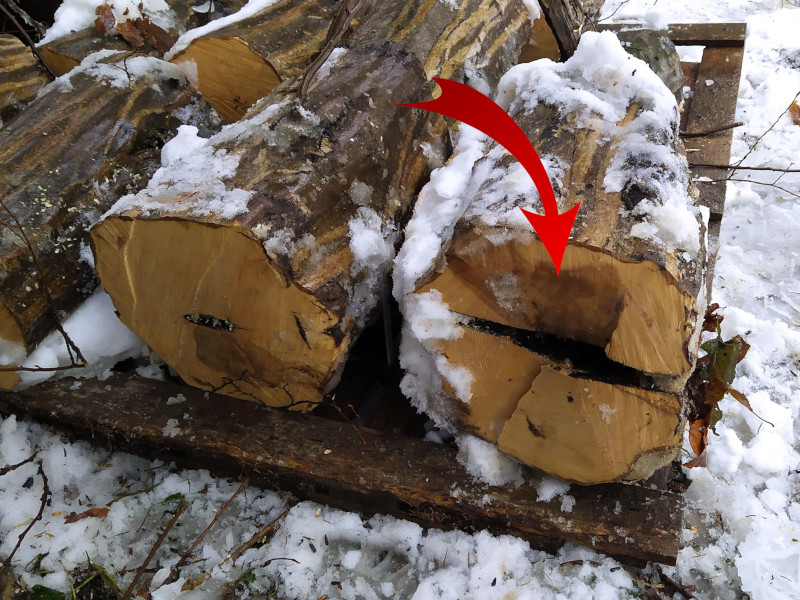
✅ Fact: A green crown does not automatically mean a tree is safe. Many dangerous defects—such as cavities, cracks, or hidden decay at the base—often appear only in advanced stages. That’s why regular inspections by a qualified arborist are important.
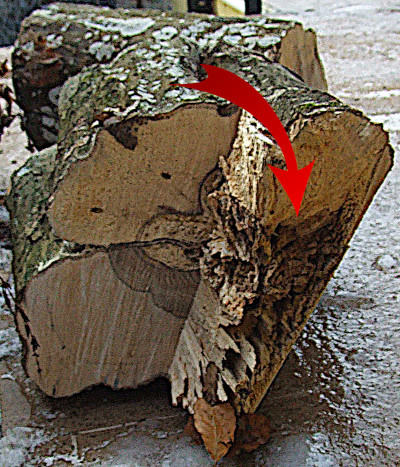
This tree still had green leaves, but the lower part of the trunk was already affected by advanced fungal decay. It appeared healthy from the outside, but its structural stability was severely compromised.
🛑 Myth #4: A tree always has to be completely removed
✅ Fact: In many cases, a professionally performed pruning is enough (crown reduction, removal of damaged branches, structural shaping). Tree removal is the last resort—used only when the tree can no longer be safely preserved or when it poses a serious risk to people or property.
“A tree’s health is not judged by the shade it casts, but by the roots that hold the ground.”
Common Reasons Given for Tree Removal vs. Reality
- “Branches fell on our car” – often caused by neglected maintenance rather than the tree itself.
- “We want a better view” – tree removal is not an aesthetic tool; it is a significant intervention in the ecosystem.
- “We’re afraid of storms” – a valid reason for inspection, but not always for removal. Preventive pruning is often a safer and more responsible option.
Not sure about the condition of your tree? Get in touch and I’ll carry out a professional assessment. Trust a qualified arborist—not sensational headlines.
Frequently Asked Questions (FAQ)
- What is the difference between a permit and a notification for tree removal?
- A permit is required for standard tree removals. A notification is sufficient only in cases of immediate danger. However, you should always prepare evidence—photos and a description of the situation.
- What if I find a fungus near the base of a tree?
- Contact me. Not all fungi are dangerous, but many can indicate extensive decay inside the tree or underground.
- Can I keep a removed tree as firewood?
- Yes. If the tree is on your property and not protected, you can keep the wood or have it removed, depending on our agreement.
- Can I remove a tree if it is on my neighbour’s property but threatens my house?
- In that case, you should first reach an agreement with your neighbour, and we can arrange a joint inspection. Work can only be carried out after mutual agreement—except in urgent situations with proper documentation.
- A tree is leaning toward a building – is that a reason for removal?
- Not necessarily. A slight lean can be completely natural. I assess the risk based on root system stability and the overall vitality of the tree.